

Why Newest Biodegradable Food Trays Are the Future of Sustainable Packaging
Nov 05,2025
1. Introduction to Biodegradable Food Trays
In recent years, the demand for sustainable packaging solutions has surged, driven by growing environmental consciousness among consumers and businesses. Among these innovations, **biodegradable food trays** are emerging as a leading alternative to traditional packaging materials. Designed to decompose naturally, these trays offer a promising solution to combat the **global plastic crisis**.
2. The Importance of Sustainable Packaging
Sustainable packaging is no longer just a trend; it has become a necessity in today's environmentally-aware society.
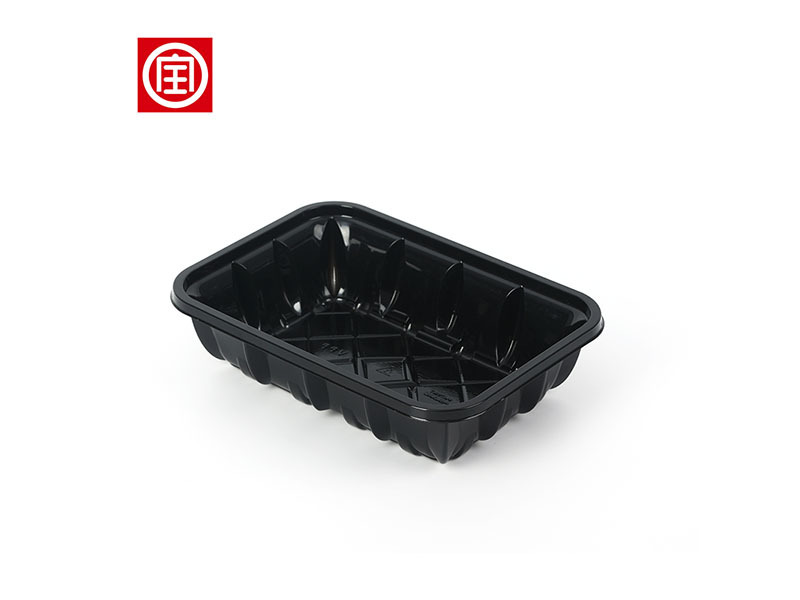
2.1. Environmental Impact of Traditional Packaging
Traditional food packaging, primarily composed of plastic, contributes to significant environmental issues such as **pollution**, **landfill overflow**, and **wildlife endangerment**. Every year, millions of tons of plastic end up in oceans, harming marine life and creating extensive ecological damage.
2.2. Consumer Demand for Eco-Friendly Solutions
A shift in consumer attitudes towards sustainability has prompted businesses to reconsider their packaging choices. A growing number of consumers prefer brands that demonstrate genuine commitment to **environmental stewardship**, leading to increased demand for **eco-friendly packaging solutions**.
3. What Are Biodegradable Food Trays?
Biodegradable food trays are packaging products made from natural materials that can break down into non-toxic components over time.
3.1. Materials Used in Biodegradable Food Trays
These trays are typically composed of materials such as cornstarch, bamboo, sugarcane, and other plant-based substances. Such materials decompose more quickly than conventional plastics, making them more environmentally friendly.
3.2. How Biodegradable Trays Decompose
Biodegradable food trays can decompose in various environments, depending on the material used. In industrial composting facilities, they may break down in as little as **90-180 days**. Even in home composting settings, many biodegradable trays can decompose within a year, significantly reducing long-term waste in landfills.
4. Benefits of Using Biodegradable Food Trays
The advantages of adopting biodegradable food trays go beyond their environmental appeal.
4.1. Environmental Benefits
By switching to biodegradable trays, businesses can drastically reduce their carbon footprint. These trays contribute to **less plastic pollution**, lower greenhouse gas emissions during production, and minimal waste generation.
4.2. Economic Advantages for Businesses
Investing in biodegradable packaging can also lead to long-term savings. Companies that adopt sustainable practices often experience increased brand loyalty, as consumers are more inclined to support businesses that prioritize the environment. Additionally, some governments offer incentives for businesses that adopt eco-friendly practices, reducing operational costs.
5. Innovations in Biodegradable Packaging Technology
The future of biodegradable food trays is bright, fueled by continuous innovation in packaging technology.
5.1. Advances in Material Science
Researchers are constantly exploring new materials that can enhance the performance of biodegradable trays while maintaining their eco-friendly properties. Innovations such as **bio-based polymers** and **composite materials** offer improved strength and durability.
5.2. Case Studies of Successful Implementation
Several companies have successfully integrated biodegradable food trays into their supply chains. For instance, a leading fast-food chain has adopted compostable packaging for its takeout meals, resulting in a significant reduction in plastic waste and an increase in positive customer feedback.
6. Challenges Facing Biodegradable Food Trays
Despite the many benefits, challenges remain in the widespread adoption of biodegradable food trays.
6.1. Consumer Awareness and Misconceptions
There is often confusion surrounding biodegradable products. Many consumers mistakenly believe that all biodegradable items decompose quickly in any environment. Educating consumers about proper disposal methods is essential for maximizing the benefits of biodegradable trays.
6.2. Cost Considerations
While the cost of biodegradable trays is decreasing, they are often more expensive than traditional plastic options. Businesses must weigh the upfront costs against long-term benefits to determine the best course of action.
7. The Future of Biodegradable Food Trays and Sustainable Packaging
As technology advances and consumer awareness grows, the future for biodegradable food trays looks promising. Innovations in material science, coupled with increasing regulatory pressure to reduce plastic waste, are likely to drive further adoption of sustainable packaging solutions.
The emergence of biodegradable food trays marks a significant step towards achieving sustainable packaging solutions. As concerns over plastic pollution intensify, the adoption of these eco-friendly alternatives becomes increasingly essential. Not only do biodegradable trays offer environmental benefits, but they also present economic opportunities for businesses willing to embrace innovation. By investing in biodegradable solutions, companies can position themselves as leaders in sustainability while catering to a growing market of eco-conscious consumers. The future of packaging is indeed biodegradable, and the time to act is now.


No. 6, Keji South 1st Road, Shiwan Town, Boluo County, Huizhou City


Request a Quote
Get prices and free samples now!